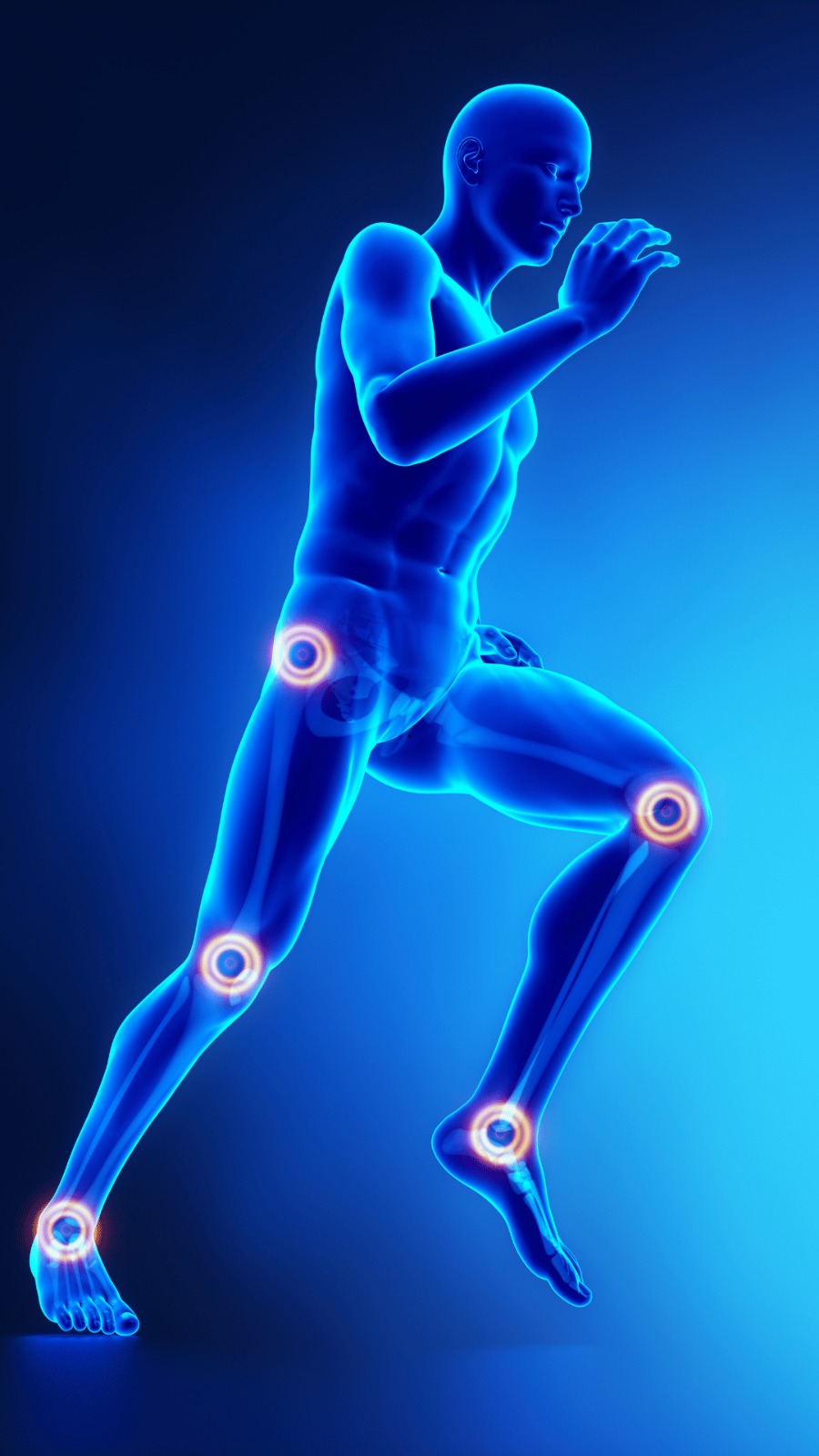
avoids long walks, or finds it hard to climb stairs without pain, you’re not alone. Osteoarthritis—often called “wear-and-tear” arthritis—is one of the most common reasons for joint pain, especially among adults over 40. It happens when the cartilage that cushions the joints breaks down, leading to pain, swelling, and limited movement.
But what if your body could help repair that damage from the inside? That’s where adult mesenchymal stem cell therapy comes in—and it’s not science fiction. It’s already being used in parts of Nigeria and around the world.
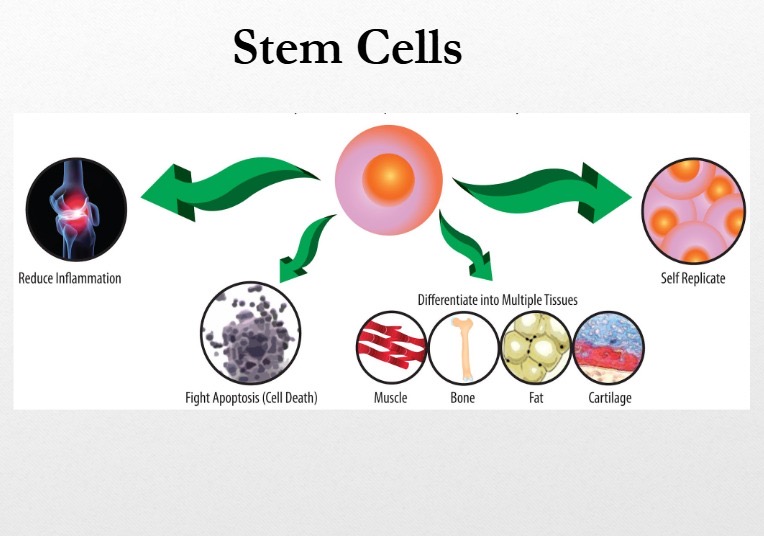
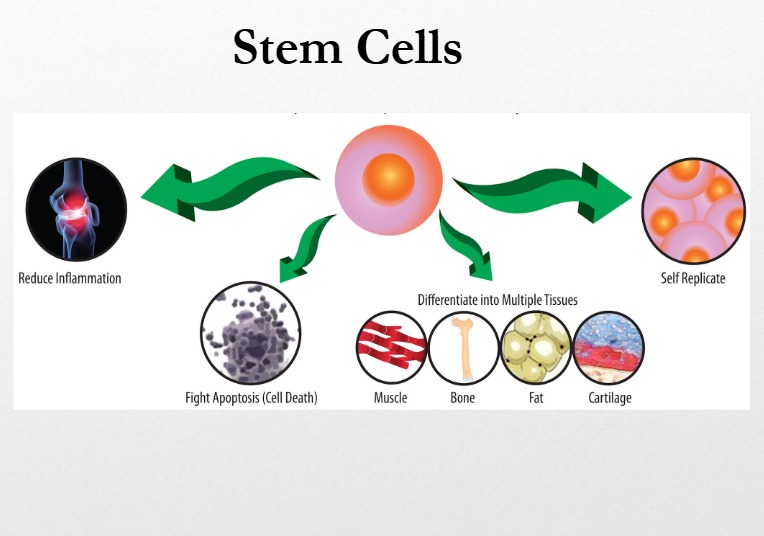
Mesenchymal stem cells (MSCs) are special repair cells found in fat tissue, bone marrow, and umbilical cords. Unlike embryonic stem cells, they come from fully formed people and do not involve ethical or religious controversy. Scientists love them because they reduce inflammation, stimulate healing, and encourage the body to rebuild damaged tissue.
In osteoarthritis, MSCs are usually injected directly into the affected joint. Once there, they don’t just sit idly—they release growth factors that reduce pain and may support cartilage regeneration. Patients in several peer-reviewed studies reported less stiffness and more movement within weeks. Some even cancelled plans for knee replacement surgery.
A 2021 review published in Stem Cells Internationalexamined 35 clinical trials. Most showed that MSC injections led to reduced pain and improved function without major side effects. MRI scans in some cases showed better cartilage structure after treatment. That’s a big deal, because standard treatments like painkillers and physiotherapy rarely stop the disease from progressing.
It’s not a miracle cure, but it’s a major leap forward. MSC therapy works best when osteoarthritis isn’t yet severe and when patients are carefully selected. At centres like Glory Wellness, stem cell therapy is done using protocols grounded in current research, not guesswork.
Safety is another reason people are turning to MSCs. Because these cells are immune-friendly, the risk of rejection or allergic reactions is extremely low. Most people return home shortly after the procedure and resume light activity the same week.
So if you’ve been living with joint pain and wondering what’s next, it might be time to look into regenerative options. Your knees don’t have to carry your pain forever.
Sources
Chahla, J., et al. “Biologic Therapies for Osteoarthritis.” The Journal of the American Academy of Orthopaedic Surgeons, 2019.